

- December 22, 2025
Table of Contents
Imagine throwing cash into a system where 75% of your audience never looks past page one. That is the brutal reality of modern search traffic. If your brand is not showing up at the absolute top when buyers are ready to transact, you are actively losing revenue to your competitors.
Current 2026 search marketing data confirms that while paid search yields a solid 2:1 to 4:1 ROI, it also burns budgets at an average cost-per-click of $4.22. It is a high-stakes ecosystem.
To win this year, you cannot rely on guesswork. You need to know exactly where to fuel your money and where to pull back. Let’s look at the unfiltered advantages and disadvantages of Search Engine Marketing (SEM) so you can scale your conversions without draining your wallet.
What Are SEO and SEM?
Think of search engines as the ultimate digital highway. SEO and SEM are simply two different lanes you can take to reach your audience.
What search engine optimization (SEO) really means
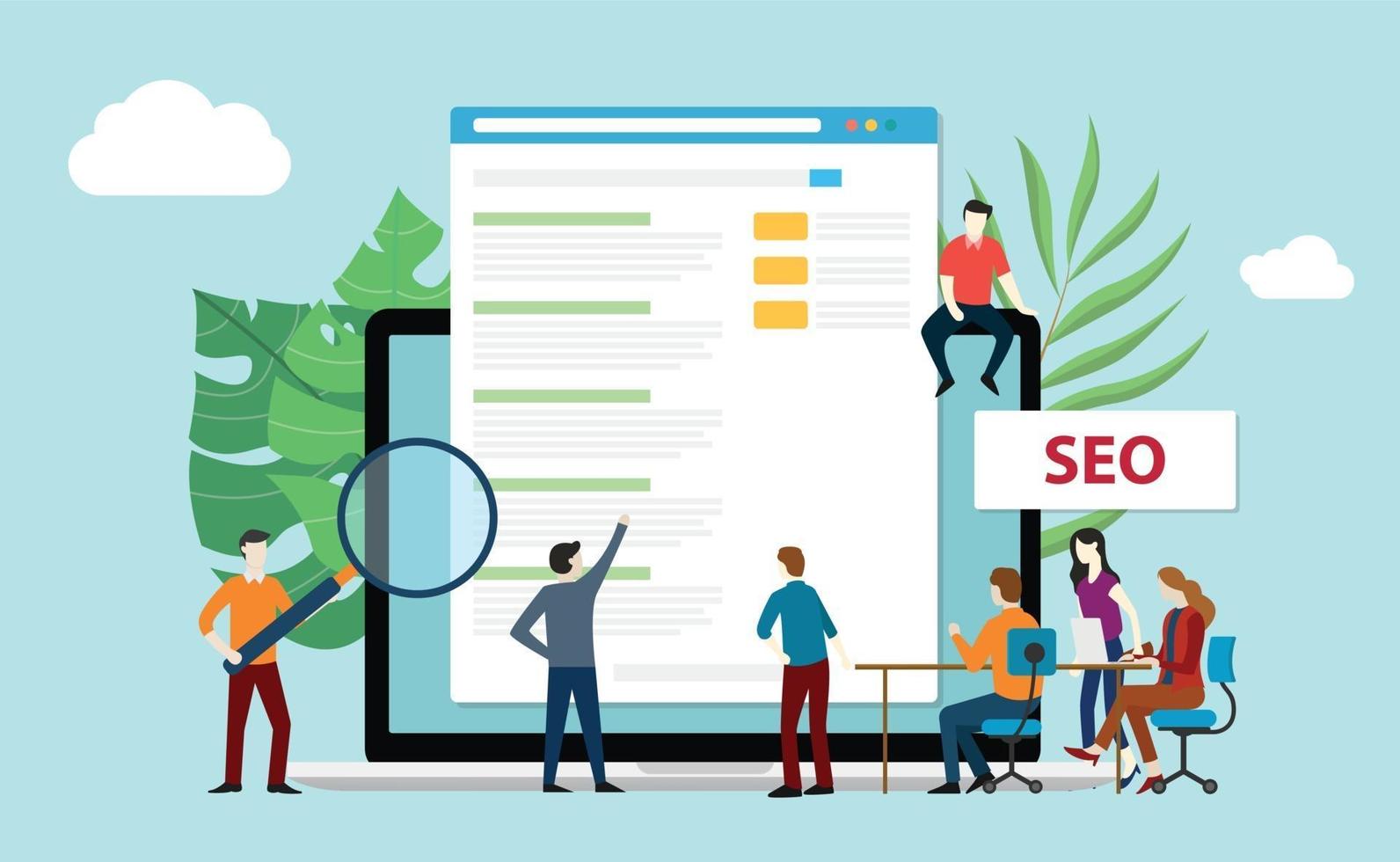
SEO is the organic lane. It is the art of optimizing your website’s content, speed, and design so Google recognizes you as a trusted authority. You don’t pay Google for clicks here; instead, you earn your traffic naturally by solving the user’s problem better than anyone else.
What search engine marketing (SEM) really means
Search Engine marketing is the paid express lane. It is a broader strategy where you use paid advertising—like Google Ads (Pay-Per-Click)—to instantly place your website at the very top of search results. Every time a user clicks your ad, you pay a fee.
How SEO is part of SEM, but they work differently in practice
In the digital marketing ecosystem, SEO lives under the SEM umbrella. While SEM includes both organic and paid tactics, they function completely differently in daily practice:
- The Cost: SEO requires an investment of time and content effort (free clicks), while SEM demands a direct ad budget (paid clicks).
- The Speed: SEM delivers instant traffic the moment your campaign goes live. SEO is a long-term compounding asset that takes months to show results.
- Sustainability: When you stop paying for Search Engine Marketing ads, your traffic drops to zero immediately. A solid SEO foundation keeps driving traffic even when you are asleep.
The Pros and Cons of SEO (Long-Term Growth)
Wondering if SEO is worth the investment? Here is a quick reality check on what to expect.
The Pros (Why You Need It):
- Free, Sustainable Traffic: Unlike paid ads, you generate low-cost organic traffic that doesn’t vanish the minute your budget runs out.
- Unmatched Credibility: Ranking at the top builds instant brand trust and establishes your website as an industry authority.
- Compound Returns: Your traffic keeps coming and compounding over time, even if you temporarily slow down your optimization efforts.
The Cons
- It Requires Patience: SEO is a marathon, not a sprint. Real, needle-moving results typically take 3 to 12 months.
- Never Truly Finished: You can’t just set it and forget it. It demands ongoing effort and constant content updates.
- Algorithm Anxiety: Sudden search engine algorithm changes can temporarily hurt your hard-earned rankings.
Main Pros and Cons of SEM (Paid Search & PPC)
Search Engine Marketing is the fastest way to get in front of ready-to-buy customers, but it comes with a clear price tag. Here is the honest breakdown:
The Pros:
- Instant Visibility: Unlike organic SEO, PPC ads put your brand at the top of Google overnight, driving immediate traffic.
- Laser-Focused Targeting: You can filter users by exact keywords, location, device, and timing to reach your ideal buyer.
- Total Budget Control: You only pay when someone actually clicks, with transparent tracking to see your exact ROI.
The Cons
- No Pay, No Play: You pay for every single click. The moment you pause your ad spend, your traffic drops to zero.
- Rising Costs: High-competition keywords can become incredibly expensive, shrinking your profit margins.
- High Learning Curve: Managing bids, ad copy, and campaign optimization requires specialized skills to avoid wasting money.
SEO vs SEM: When to Choose Which Strategy
Choosing between SEO and SEM isn’t about finding a “better” tool—it is about matching your immediate business goals with your budget.
Choose SEO if you want long‑term traffic and brand authority
SEO is your digital real estate investment. It takes time to build, but once it ranks, it keeps generating compounding traffic without a price tag attached to every single click.
- Compounding ROI: Your traffic does not vanish the moment you stop spending money.
- Trust Factor: Modern users inherently trust organic search results over sponsored tags.
- Authority Building: High-ranking informational content positions your brand as an industry leader.
Choose SEM if you want fast results, sales, or testing
SEM (Pay-Per-Click ads) is a faucet. Turn it on, and traffic flows instantly. It is the fastest way to get your product directly in front of buyers who are ready to purchase right now.
- Instant Visibility: Ideal for new product launches, flash sales, or seasonal promotions.
- A/B Testing: Safely test headlines and landing page conversions before rolling out large-scale campaigns.
- Laser Targeting: Filter your exact audience by intent keywords, demographics, and precise geographic locations.
Use both together when you have time + budget
The ultimate growth strategy is a balanced mix. Use Search Engine marketing data to discover high-converting keywords, then target those exact terms with long-term SEO content strategies.
Quick Checklist for Small Businesses and Startups
- Select Search Engine Optimization if your budget is limited, but you have the runway to wait 3–6 months for results.
- Select SEM if you need immediate revenue, have a validated budget, and need to compete with established brands overnight.
Conclusion
The line between SEO and SEM is blurring. In 2026, winning search engines isn’t about choosing one—it’s about Search Experience Optimization.
If you need fast visibility, market testing, or instant revenue, rent your traffic with SEM. But if you want to build a compounding digital asset that survives algorithm shifts and drives sustainable trust, invest heavily in SEO.
The smartest brands use SEM data to fuel their SEO pipeline, capturing short-term wins while securing long-term market authority. Balance your budget, align your timeline, and stop leaving ready-to-buy traffic on the table for your competitors.
FAQs
What is the main advantage of SEM?
It delivers immediate, hyper-targeted traffic by placing your business at the very top of search results exactly when users are ready to buy.
What is the biggest downside of SEM?
High continuous costs and intense competition. Your website’s visibility and ad traffic stop instantly the moment you stop funding your active campaigns.
Is SEM better than SEO?
Neither is better; they fill different needs. SEM gives fast, paid visibility for immediate sales, while SEO builds free, sustainable organic authority over time.
Can small businesses afford SEM?
Yes, because you control daily spend limits. However, aggressive bidding wars from enterprise competitors can easily price out smaller, limited ad budgets.
Does SEM improve organic SEO rankings?
No. Paid search advertisements operate on a completely separate system and have zero direct influence on your website’s organic search engine positions.

Tarun Singh is an SEO & Digital Growth Strategist with 5+ years of experience driving organic traffic, search visibility, and revenue growth for eCommerce, SaaS, and enterprise brands. His expertise includes technical SEO, AI-driven marketing, keyword strategy, content optimization, and scalable growth campaigns focused on improving rankings, authority, and business performance.