How Many Types of Graphic Design? A Complete Guide
Introduction
Graphic design plays an important role in how businesses communicate ideas, promote products, and build recognizable brands. From logos and brochures to website graphics and social media posts, visual communication helps businesses share information clearly and connect with their target audiences.
There are different types of graphic design because each serves a specific purpose, medium, and audience. Branding design builds visual identity, marketing design supports promotions, and packaging design helps products stand out. Understanding the main types of graphic design helps small businesses, marketers, and SEO professionals choose the right visuals for their branding, digital marketing, and communication goals.
How Many Types of Graphic Design Are There?
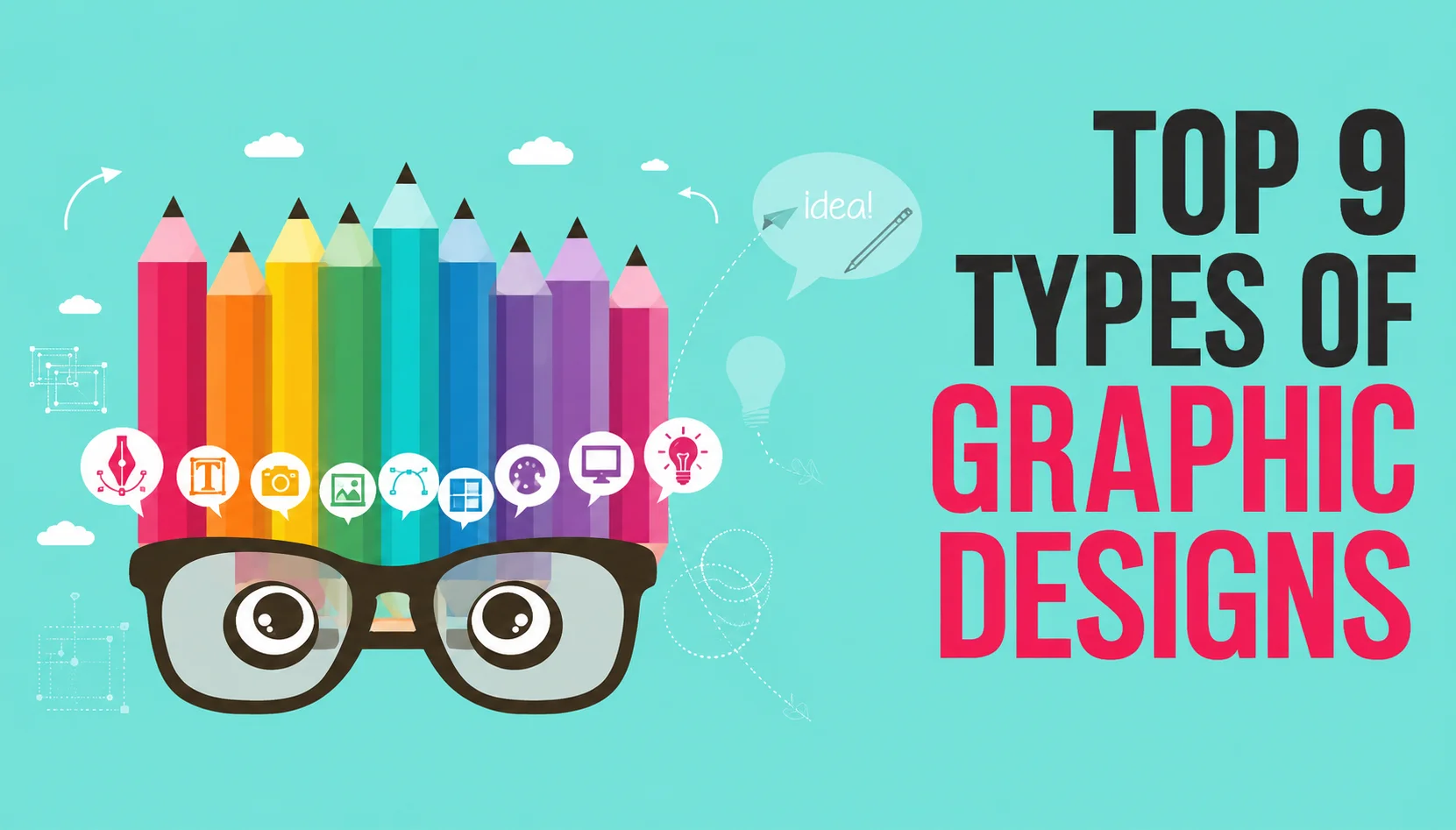
There are around 8–10 major types of graphic design, depending on how design disciplines are categorized. Common categories include visual identity design, marketing and advertising design, social media design, web and UI/UX design, print and editorial design, packaging design, illustration, motion graphics, and environmental design.
However, there is no universally agreed number because some specializations overlap or are grouped differently. Each category serves a distinct purpose, from building brand recognition to promoting products and presenting information. Understanding these graphic design categories helps businesses and marketers select the right visual solutions for their communication and marketing goals.
What Are the Main Types of Graphic Design?
The main types of graphic design serve different communication and business needs, from creating brand identities to designing digital experiences and product packaging. Each specialization uses visual elements such as typography, colour, imagery, and layout to communicate information effectively.
Common graphic design categories include:
-
Visual Identity Design: Builds a consistent brand image through logos and brand guidelines.
-
Marketing and Advertising Design: Promotes products, services, and campaigns.
-
Social Media Design: Creates platform-specific digital content.
-
Web and UI/UX Design: Supports website visuals and digital interfaces.
-
Print and Editorial Design: Organizes content for brochures, magazines, and publications.
-
Packaging Design: Designs product labels, boxes, and packaging.
-
Illustration and Infographic Design: Communicates ideas through artwork and visual data.
-
Motion Graphics Design: Uses animation to communicate messages.
-
Environmental Design: Improves physical spaces through signage and visual communication.
These categories can overlap, and designers often work across multiple specializations.
1. Visual Identity and Branding Design
Visual identity and branding design create a recognizable and consistent image for a business across different platforms. This graphic design type combines logos, typography, colour palettes, imagery, and brand guidelines to communicate a company's personality, values, and identity.
Common deliverables include:
-
Logo and logo variations
-
Brand colour palette and typography
-
Business cards and letterheads
-
Brand guidelines and visual assets
-
Social media branding templates
Example: A small digital marketing agency can use a consistent logo, colour scheme, and typography across its website, social media profiles, presentations, and promotional materials. This consistency helps audiences recognize the brand and builds a more professional appearance.
2. Marketing and Advertising Design
Marketing and advertising design focuses on creating visual materials that promote products, services, and campaigns. It combines compelling imagery, persuasive messaging, typography, and brand elements to capture attention and encourage audiences to take action.
Common marketing and advertising design assets include:
-
Digital advertisements for Google and social media platforms
-
Website banners and promotional graphics
-
Flyers, brochures, and promotional posters
-
Email marketing visuals
-
Product advertisements and campaign creatives
-
Landing page graphics and call-to-action visuals
Example: A small business launching a new service can use branded social media advertisements, website banners, and promotional graphics to communicate its offer and encourage potential customers to visit its website or submit an enquiry.
Effective advertising design aligns visuals with the campaign objective, target audience, and brand identity.
3. Social Media Design
Social media design involves creating visual content tailored to platforms such as Instagram, Facebook, LinkedIn, and YouTube. It helps businesses communicate messages, promote offers, maintain brand consistency, and engage their target audiences through eye-catching graphics.
Common social media design deliverables include:
-
Instagram posts, stories, and carousel graphics
-
Facebook promotional posts and ad creatives
-
LinkedIn business updates and branded graphics
-
YouTube thumbnails and channel banners
-
Festival greetings, announcements, and promotional creatives
-
Campaign visuals and product highlights
Example: A local clothing store can use Instagram posts to showcase new collections, festival creatives to promote seasonal offers, and Facebook advertisements to reach potential customers. Consistent colours, readable text, and clear calls to action help maintain brand recognition across platforms.
Effective social media design should match each platform's format, audience, and campaign objective.
4. Web and UI/UX Design
Web and UI/UX design focuses on creating visually appealing, functional, and user-friendly digital experiences. It combines graphic design principles with interface design to help users navigate websites and applications effectively.
-
Web Design: Focuses on website layouts, typography, colours, images, and responsive visual elements.
-
UI (User Interface) Design: Designs interactive elements such as buttons, menus, forms, icons, and navigation components.
-
UX (User Experience) Design: Focuses on usability, accessibility, user research, and the overall experience of interacting with a digital product.
Example: An e-commerce website needs attractive product pages, clearly visible purchase buttons, intuitive navigation, and a simple checkout process. UI design shapes the interface, while UX design helps ensure customers can complete purchases efficiently.
Although closely related, UX design extends beyond traditional graphic design by addressing user behaviour, research, and interaction flows.
5. Print and Editorial Design
Print and editorial design focuses on organizing text, images, and visual elements into clear, attractive layouts for printed materials and digital publications. It uses typography, spacing, colour, and visual hierarchy to make information easy to read and understand.
Common print and editorial design deliverables include:
-
Brochures, flyers, and promotional leaflets
-
Magazines, newspapers, and newsletters
-
Product catalogues and company profiles
-
Books, e-books, and annual reports
-
Posters, menus, and business documents
Example: A private institute can use an professionally designed brochure to present its courses, faculty, facilities, fees, and admission details. A consistent layout and readable typography help prospective students find important information quickly.
Effective editorial design considers the target audience, content structure, and final format, including page dimensions, image resolution, and print specifications when applicable.
6. Packaging Design
Packaging design focuses on creating the visual appearance of product packaging while communicating brand identity, product information, and key selling points. It combines colours, typography, images, and layout to help products stand out on retail shelves and e-commerce platforms.
Common packaging design applications include:
-
Product labels for food, cosmetics, and personal care items
-
Boxes and cartons for retail products
-
Pouches and wrappers for packaged goods
-
Bottles, jars, and container labels
-
E-commerce packaging and branded shipping boxes
Example: A small tea business can use attractive packaging with a recognizable logo, clear product name, readable ingredient information, and consistent brand colours. This helps customers identify the product and creates a professional presentation.
Effective packaging design should balance visual appeal, usability, accurate product information, and applicable labelling requirements.
7. Illustration and Infographic Design
Illustration and infographic design communicate ideas through visual elements rather than relying entirely on text. Illustration uses original artwork to express concepts, tell stories, or strengthen a brand's visual identity, while infographics organize information, statistics, and processes into easy-to-understand graphics.
Common applications include:
-
Custom illustrations for websites, blogs, and advertisements
-
Data visualizations using charts and diagrams
-
Educational graphics and step-by-step guides
-
Illustrated social media posts and marketing materials
Example: A digital marketing agency can publish an infographic explaining the SEO process, using icons, diagrams, and concise text to make the information easier to understand. Custom illustrations can complement the same article by making its concepts more engaging.
The key difference is that illustration emphasizes visual expression, whereas infographic design prioritizes communicating structured information clearly.
8. Motion Graphics Design
Motion graphics design uses animation, typography, shapes, icons, and visual effects to communicate messages through moving visuals. It is commonly used in digital marketing, video advertising, presentations, and educational content to make information more engaging and easier to follow.
Common motion graphics applications include:
-
Animated logos and brand introductions
-
Social media video advertisements
-
Explainer videos and animated tutorials
-
Kinetic typography and animated text
-
Product demonstrations and promotional videos
Example: A digital marketing agency can create a short animated video explaining its SEO services, using moving icons, text, and simple visual transitions to communicate key benefits. The video can be shared on social media, embedded on a service page, or used in an advertising campaign.
Effective motion graphics combine clear messaging, consistent branding, and purposeful animation to support the communication goal.
9. Environmental and Signage Design
Environmental and signage design uses visual elements to communicate information, guide visitors, and strengthen brand identity within physical spaces. It combines typography, colours, symbols, and directional graphics to help people navigate buildings and understand their surroundings.
Common applications include:
-
Directional signs in offices, hospitals, and educational institutions
-
Retail store signs and branded displays
-
Exhibition booths and trade show graphics
-
Office branding, wall graphics, and reception signage
-
Wayfinding systems for campuses, malls, and public spaces
Example: A private college can use consistent signage to direct students and visitors toward classrooms, admission offices, libraries, and administrative departments. Clear directions improve navigation while reinforcing the institution's visual identity.
Effective environmental design prioritizes readability, accessibility, visibility, and consistency with the organization's branding.
Which Types of Graphic Design Do Small Businesses Need?
The best types of graphic design for small businesses depend on their goals, target audience, products, and marketing channels. Choosing the right design services helps maintain brand consistency, communicate value, and create professional customer experiences.
| Business goal | Recommended design type |
|---|---|
| Build brand recognition | Visual identity and branding design |
| Promote products or services | Marketing and advertising design |
| Increase social media engagement | Social media design |
| Improve website presentation | Web and UI design |
| Promote products on shelves | Packaging design |
| Create brochures and catalogues | Print and editorial design |
| Explain complex information | Illustration and infographic design |
| Produce engaging promotional videos | Motion graphics design |
For example, a small e-commerce business may prioritize branding, product packaging, social media creatives, and website graphics. A local service provider may benefit more from a professional logo, promotional materials, and advertising designs.
Start with essential brand assets, then invest in additional design types as your business and marketing needs grow.
What Is the Difference Between Graphic Design Types and Styles?
Graphic design types describe the purpose or specialization of a design, while graphic design styles describe its visual appearance. Understanding this difference helps businesses choose the right design approach for their branding and marketing needs.
| Graphic design type | Graphic design style |
|---|---|
| Defines the design's purpose | Defines its visual appearance |
| Includes branding, packaging, and editorial design | Includes minimalist, vintage, and modern design |
| Determines what the design needs to communicate | Influences how the message looks and feels |
| Example: Logo design | Example: Minimalist logo style |
For example, a business can use minimalist design for its logo, website graphics, packaging, and social media posts. The design type determines the deliverable, while the style establishes its visual character.
How Do You Choose the Right Type of Graphic Design?
Choosing the right type of graphic design depends on your business objectives, target audience, communication channel, and budget. Follow these steps to identify the most suitable design approach.
-
Define your goal: Decide whether you want to build brand awareness, promote a product, improve website usability, or increase campaign engagement.
-
Understand your audience: Consider customer preferences, expectations, and how they consume information.
-
Select the right channel: Choose designs suited to websites, social media, print materials, packaging, or video platforms.
-
Identify deliverables: List the assets you need, such as logos, brochures, advertisements, or infographics.
-
Set your budget: Prioritize essential designs and expand your requirements as your business grows.
-
Evaluate expertise: Choose a designer with relevant portfolio experience and the skills required for your project.
Aligning design decisions with business goals helps create consistent, useful, and effective visual communication.