

- March 17, 2025
Table of Contents
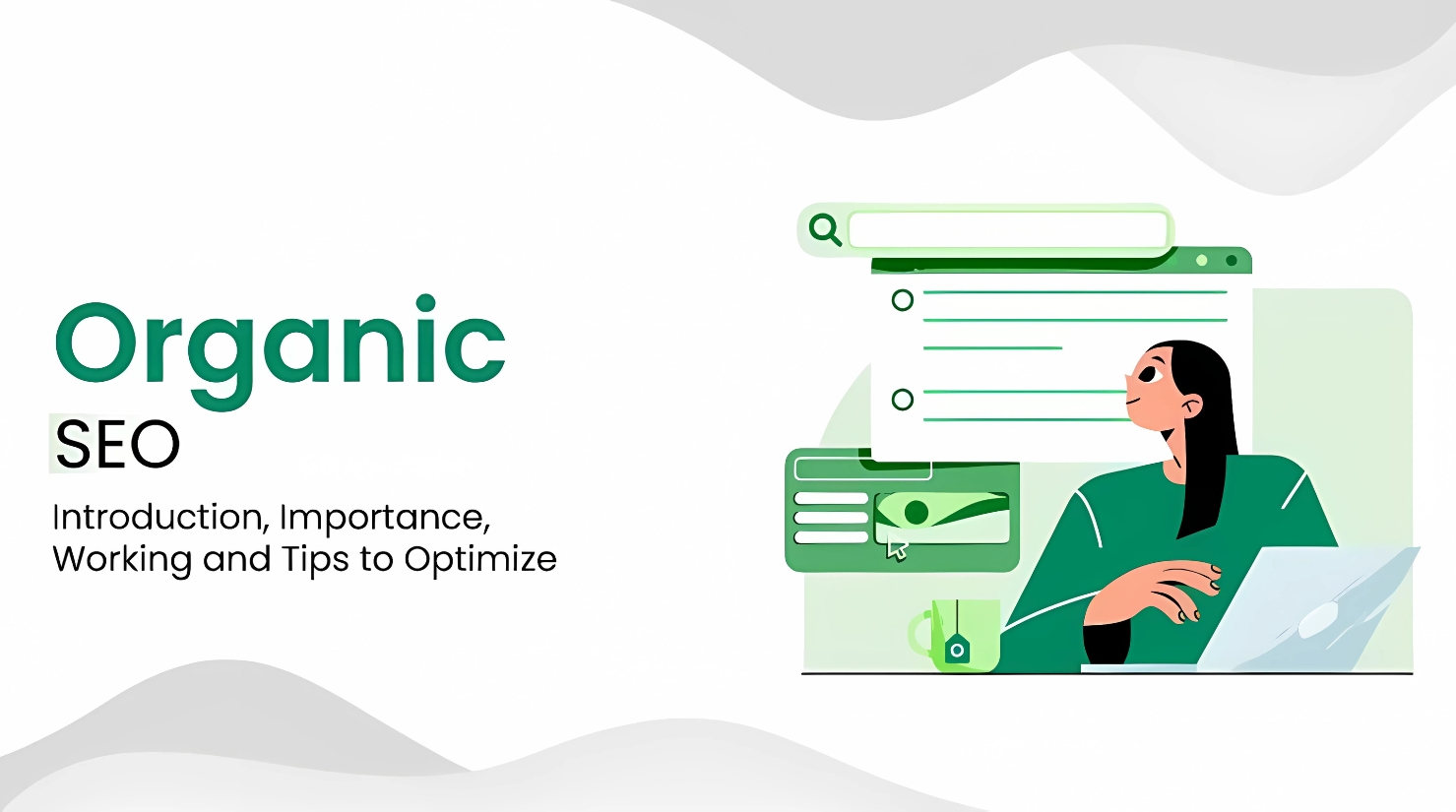
Stop burning money on ads that vanish when your budget ends. Organic SEO services build a sustainable, unpaid traffic engine that delivers qualified leads and long-term business growth — without paying for every click. It’s about making your site the undeniable answer in search results through technical excellence, laser-focused content, and real authority. Whether you’re battling declining traffic, entering a cutthroat market, or desperate to slash ad spend dependency, this guide reveals how organic SEO actually works, what it costs, and how to pick a provider who delivers — no empty guarantees. Ready to own your search presence?
What Are Organic SEO Services?
Organic SEO services are professional activities designed to improve a website’s visibility in unpaid search engine results. They combine technical SEO, keyword research, content optimization, internal linking and authority building to attract relevant visitors over time.
Unlike short-term promotional tactics, organic SEO focuses on creating a search-friendly, useful and trustworthy website that supports sustainable traffic, leads and business growth.
How Organic SEO Works
Organic SEO helps search engines understand a website’s pages, relevance and credibility. The process usually includes:
- Finding keywords that match the audience’s search intent
- Fixing technical issues that affect crawling, indexing or performance
- Creating and optimizing helpful content
- Improving website structure and internal links
- Building authority through credible mentions and backlinks
- Monitoring rankings, traffic and conversions
Search engines then evaluate these signals to decide which pages best answer a user’s query. However, SEO cannot guarantee a specific ranking or result.
Organic SEO vs Paid Search
Organic SEO earns visibility through website quality and relevance, while paid search places advertisements in search results.
Paid campaigns can generate traffic quickly but stop when the advertising budget ends. Organic SEO usually takes longer, but strong pages may continue attracting visitors without paying for every click.
Many businesses use both channels: paid search for immediate visibility and SEO for long-term growth.
Who Needs Organic SEO Services?
Organic SEO may benefit:
- Businesses with low or declining search traffic
- Companies entering competitive markets
- Websites that generate traffic but few qualified leads
- Brands launching or redesigning a website
- Businesses that rely heavily on paid advertising
What Results Can Organic SEO Support?
A well-planned SEO strategy can support:
- Higher visibility for relevant searches
- More qualified website traffic
- Better user experience
- Increased leads, enquiries or sales
- Stronger brand authority
- Reduced dependence on paid acquisition
Results depend on competition, website condition, implementation speed, content quality and available resources.
What Do Organic SEO Services Include?
Organic SEO services combine technical improvements, content planning and authority-building activities to improve a website’s visibility in unpaid search results. The exact scope depends on the website’s condition, industry, competition and business goals.
SEO Website Audit
An SEO website audit identifies issues that may prevent search engines from crawling, understanding or ranking important pages. It typically reviews:
- Crawlability and indexability
- Site structure and page speed
- Duplicate or outdated content
- Broken links and redirects
- Mobile usability and structured data
The findings should be prioritized according to business impact, urgency and implementation effort.
Keyword and Search Intent Research
Keyword research identifies the terms potential customers use when searching for information, products or services. Strong research goes beyond search volume by examining search intent, competition, buyer stage and commercial relevance.
Keywords are then mapped to suitable pages to prevent keyword cannibalization and unnecessary content duplication.
Technical SEO Optimization
Technical SEO improves the website’s foundation so search engines can access and process its content efficiently. This may include fixing indexing issues, improving Core Web Vitals, updating XML sitemaps, managing canonical tags and strengthening website architecture.
On-Page SEO
On-page SEO improves individual webpages by optimizing titles, headings, content structure, image context, internal anchors and metadata. The goal is to make each page clearer for both users and search engines without repeating keywords unnaturally.
SEO Content Strategy and Creation
A content strategy determines what should be created, updated, consolidated or removed. Content may include educational guides, comparison articles, case studies and commercial landing pages.
Each page should answer a real question, demonstrate expertise and offer original information gain, such as examples, frameworks or first-party insights.
Internal Linking Optimization
Internal links connect related pages and help distribute authority throughout the website. They also guide readers toward useful supporting content, service pages and next-step resources using natural, descriptive anchor text.
Link Building and Digital PR
Link building and digital PR earn relevant mentions from credible websites. Effective campaigns may use expert commentary, original research, useful resources and industry partnerships. Manipulative or purchased link schemes should be avoided.
SEO Analytics and Performance Reporting
SEO reporting tracks whether optimization activities support meaningful outcomes. Important measurements may include:
- Search impressions and organic traffic
- Keyword visibility
- Leads and conversions
- Revenue or pipeline contribution
- Technical and content improvements
Reports should explain what changed, why it changed and what actions should be taken next.
What Are the Benefits of Organic SEO Services?
Organic SEO services help businesses improve their online presence without relying entirely on paid advertising. A well-planned SEO strategy can attract relevant users, strengthen website performance and support sustainable business growth.
Increased Search Visibility
Organic SEO improves how easily potential customers can find a website in search results. By optimizing website structure, content, keywords and technical elements, businesses can appear for searches that are relevant to their products or services.
Improved search visibility can help a company reach users at different stages of the buying journey, from initial research to final purchase decisions.
Qualified and Relevant Website Traffic
SEO is not only about increasing visitor numbers. Its primary goal is to attract people who are actively searching for specific information, services or solutions.
Organic SEO supports qualified traffic by:
- Targeting keywords with clear search intent
- Creating content for relevant customer problems
- Optimizing landing pages for specific audiences
- Improving visibility for commercial and informational searches
This makes organic visitors more likely to engage with the website or complete a desired action.
Long-Term Lead Generation
Unlike paid campaigns, organic visibility does not disappear immediately when advertising spend stops. High-quality pages can continue attracting traffic and generating leads when they remain useful, accurate and properly maintained.
However, SEO is a long-term growth strategy. Results depend on competition, website authority, technical condition, content quality and implementation speed.
Improved Website Experience
Many SEO improvements also make a website easier for visitors to use. Technical and on-page optimization can improve:
- Website navigation
- Page loading performance
- Mobile usability
- Content readability
- Internal linking
- Conversion paths
A better user experience can help visitors find information faster and move more easily toward enquiries, registrations or purchases.
Greater Brand Authority and Trust
Consistently publishing accurate, useful and expert-reviewed content can strengthen a brand’s credibility. When a website clearly answers important customer questions, users are more likely to view the business as a reliable source.
Authority can also grow through quality backlinks, expert contributions, transparent sourcing and strong topical coverage.
Reduced Dependence on Paid Advertising
Organic SEO can create an additional acquisition channel alongside paid search, social media and outbound marketing. This helps businesses avoid depending on a single traffic source.
SEO does not always replace advertising, but it can create a more balanced marketing strategy by delivering sustainable organic traffic, supporting brand discovery and reducing reliance on continuous ad spend.
How Does the Organic SEO Process Work?
The organic SEO process is a structured, ongoing approach to improving a website’s visibility in unpaid search results. It combines research, technical improvements, content development and performance analysis. Each stage builds on the previous one, so businesses should treat SEO as a continuous growth strategy, not a one-time task.
Step 1 — Website and Competitor Analysis
The process begins with a detailed review of the website’s current performance. This helps identify technical problems, content gaps and opportunities competitors may already be using.
The analysis may include:
- Website crawlability and indexation
- Organic traffic and keyword performance
- Site structure and internal linking
- Competitor rankings, content and backlinks
- Conversion paths and landing-page performance
The findings create a clear SEO baseline and help prioritize the most valuable improvements.
Step 2 — Keyword and Content Planning
Next, SEO specialists research the terms potential customers use during different stages of their buying journey. Keywords are grouped by search intent, topic and commercial value.
A content plan should define:
- Primary and supporting keywords
- Informational and commercial topics
- Existing pages that need improvement
- New content opportunities
- Keyword cannibalization risks
This ensures every page has a specific purpose and targets a relevant audience need.
Step 3 — Technical Issues and On-Page Improvements
Technical and on-page SEO improvements help search engines access, understand and evaluate website content.
Common actions include improving:
- Page titles and headings
- URL structure
- Internal links
- Mobile usability
- Page speed
- Canonical tags and redirects
- Structured data
- Crawl and indexation issues
Priority should be given to issues that directly affect visibility, usability and conversions. Refer to Google’s SEO starter guide for foundational best practices.
Step 4 — Content Creation and Optimization
Content is then created or updated to answer real search questions clearly. Effective SEO content should be accurate, useful, original and easy to understand.
Each page should include direct answers, logical headings, relevant entities, practical examples and evidence-supported claims where required.
Step 5 — Authority and Link Building
Search visibility can also improve when reputable websites reference or link to valuable content. Authority-building activities may include digital PR, expert contributions, original research, partnerships and useful resources.
Links should be earned naturally. Manipulative or low-quality link schemes can create long-term risks.
Step 6 — Performance Measurement and Continuous Improvement
SEO performance should be reviewed regularly using metrics such as:
- Organic impressions and clicks
- Keyword visibility
- Qualified traffic
- Leads and conversions
- Indexed pages
- Content performance
- Revenue or pipeline contribution
The results are used to refine the strategy, update declining content and identify new opportunities. Because search behavior, competitors and algorithms change, continuous improvement is essential for sustainable organic growth.
How Much Do Organic SEO Services Cost?
Organic SEO services in India commonly cost ₹15,000 to ₹1,00,000+ per month. Enterprise or highly competitive programmes may cost more. These are indicative July 2026 market ranges, not fixed industry prices. Recent Indian pricing guides place small-business retainers around ₹15,000–₹30,000, growth programmes around ₹30,000–₹60,000 and competitive national campaigns from ₹60,000–₹1,00,000+ per month.
Factors That Affect SEO Pricing
SEO pricing usually increases with:
- Website size, platform complexity and technical issues
- Keyword competition and target locations
- Content volume, research and expert-review requirements
- Digital PR and authority-building needs
- Reporting depth and stakeholder support
- Provider experience and account hours
A low quote may cover basic on-page work, while a broader engagement can include technical SEO, content strategy, implementation and conversion analysis.
Monthly SEO Retainers
A typical Indian monthly budget may look like:
- ₹15,000–₹30,000: Local businesses or small, low-competition websites
- ₹30,000–₹60,000: Growing companies needing regular content and technical work
- ₹60,000–₹1,00,000+: National, SaaS, ecommerce or competitive B2B campaigns
Retainers support continuous monitoring, publishing and optimisation. A global survey of 439 SEO providers found that 78.2% offered monthly retainers.
Project-Based SEO Services
Project pricing suits defined work such as a technical SEO audit, website migration plan, keyword strategy or content roadmap. Published Indian rate cards show small-site technical audits starting at approximately ₹4,500–₹9,500, while implementation, complex migrations and large websites generally require custom quotations.
The proposal should clearly define:
- Pages and website sections covered
- Reports and recommendations included
- Whether implementation is included
- Delivery timeline
- Completion and approval criteria
In-House SEO vs Freelancer vs SEO Agency
A freelancer may charge approximately ₹10,000–₹50,000 per month and can suit a focused scope. Agencies generally charge ₹25,000–₹1,00,000+ per month, but they can provide technical, content, outreach and analytics specialists under one engagement.
An in-house SEO manager offers deeper business knowledge and easier internal coordination. Current salary data places the typical Indian SEO manager range near ₹5.4 lakh–₹11 lakh annually, excluding recruitment, software, employee benefits and supporting content or development resources.
How to Calculate the Value and ROI of SEO
Measure SEO against business outcomes rather than rankings alone.
SEO ROI = (Gross profit from organic conversions − SEO investment) ÷ SEO investment × 100
For example, if organic search generates ₹1,20,000 in additional gross profit after a ₹50,000 SEO investment, the estimated ROI is 140%.
For a more reliable calculation:
- Use gross profit rather than total revenue.
- Define the measurement and attribution period.
- Separate branded and non-branded traffic.
- Track qualified leads, sales and pipeline value.
- Account for content, tools and internal implementation costs.
How to Choose the Right Organic SEO Service Provider
Choose a provider whose process, expertise and reporting match your commercial goals—not simply the provider offering the longest deliverables list.
Review Their SEO Process and Deliverables
Ask for a clear process covering discovery, technical assessment, search-intent research, content planning, implementation, authority building and reporting. Every deliverable should have an owner, frequency and business purpose.
Check Relevant Experience and Case Studies
Look for experience with similar websites, industries or buying journeys. Case studies should explain the starting problem, work completed, timeframe and measurable result. Treat traffic screenshots without context, methodology or dates cautiously.
Ask How SEO Performance Will Be Measured
Reporting should connect indexation, search visibility and qualified traffic to conversions, pipeline or revenue. Agree on baselines, data sources, reporting frequency and the definition of a qualified lead before work begins.
Avoid Guaranteed Ranking Promises
No provider can guarantee a number-one Google ranking. Google specifically warns businesses against guaranteed-ranking claims and states that even technically eligible pages are not guaranteed to be indexed or shown in search results.
Understand Timelines and Responsibilities
Confirm what the provider will deliver, what your team must approve, who will implement technical changes and how approval delays affect the roadmap. SEO timelines should be presented as evidence-based estimates, not fixed promises.
Questions to Ask Before Hiring an SEO Provider
- What will you prioritise during the first 90 days?
- Which tasks are included, limited or excluded?
- Who will work on our account?
- How will recommendations be verified?
- How will qualified organic growth be measured?
- Who owns the content, accounts and reporting data?
- What happens when priorities or scope change?
FAQs
1. How long does organic SEO take to show results?
Typically 4–6 months for noticeable traction. Highly competitive markets may need 12+ months. Consistent, high-quality optimization accelerates progress.
2. What’s the difference between organic SEO and local SEO?
Organic SEO targets broad, nationwide visibility. Local SEO focuses on location‑specific searches and Google Maps rankings to attract nearby customers.
3. Can I do organic SEO myself?
Yes. You can manage basic keyword research, content, and on‑page fixes. However, technical auditing and authority building often require professional expertise for sustainable results.
4. Is organic SEO still relevant in 2026?
Absolutely. Organic search remains the dominant traffic source for most websites, delivering consistent, qualified leads without ongoing click costs.
5. What are the top organic ranking factors?
High‑quality, helpful content, strong EEAT signals, excellent page experience, relevant backlinks, and precise search intent alignment are the core factors.

Tarun Singh is an SEO & Digital Growth Strategist with 5+ years of experience driving organic traffic, search visibility, and revenue growth for eCommerce, SaaS, and enterprise brands. His expertise includes technical SEO, AI-driven marketing, keyword strategy, content optimization, and scalable growth campaigns focused on improving rankings, authority, and business performance.