




- September 11, 2025
Table of Contents
What Does It Mean to Outsource SEO Services?
Outsourcing SEO services means hiring an external SEO agency, consultant, or specialized SEO team to manage search engine optimization activities instead of handling everything internally. Businesses outsource SEO to access expert skills, reduce operational costs, scale organic growth efforts, and improve search visibility. This guide explains how SEO outsourcing works, services included, benefits, costs, and how to choose the right SEO partner.
What Are Outsourced SEO Services?
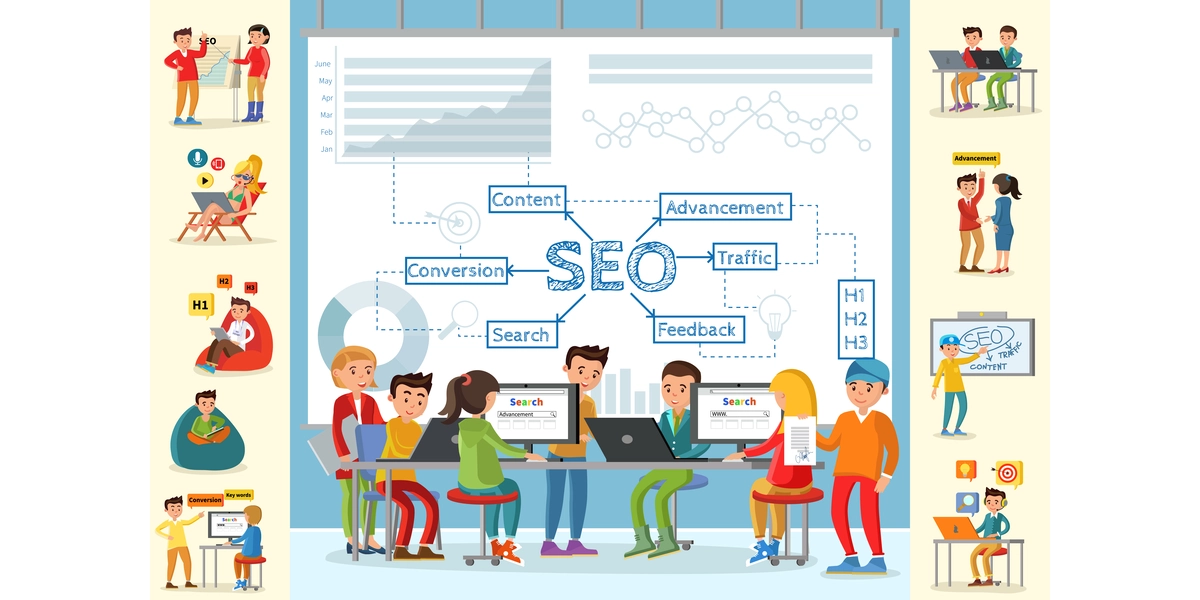
Outsourced SEO services refer to hiring an external team of SEO specialists to plan, execute, and manage search engine optimization activities for a business website. Instead of building a complete in-house SEO department, companies partner with an experienced SEO agency or SEO consultant to improve organic visibility, attract qualified traffic, and support long-term growth.
Search engine optimization involves multiple disciplines, including technical improvements, keyword research, content optimization, website performance enhancements, internal linking, competitor analysis, and authority-building activities. Managing all these areas internally requires specialized knowledge, dedicated resources, SEO tools, and continuous monitoring.
An outsourced SEO team works as an extension of a company’s internal marketing or growth team. Depending on the engagement model, they may handle the complete SEO strategy or support specific areas such as technical SEO audits, content creation, local SEO, enterprise SEO, or link acquisition.
Outsourced SEO Services vs Traditional SEO Agency Services
The terms outsourced SEO services and SEO agency services are often used interchangeably, but there can be a difference in how businesses engage with providers.
A traditional SEO agency usually manages SEO as a complete marketing service, including strategy, execution, reporting, and client communication. SEO outsourcing focuses more on extending a company’s existing capabilities by bringing external SEO expertise into the workflow.
For example:
- A startup without SEO resources may outsource the entire SEO function to an external SEO agency.
- A growing company with an internal marketing team may outsource technical SEO or content production to specialized SEO professionals.
- A larger organization may use SEO outsourcing to support enterprise-level campaigns across multiple markets.
The right approach depends on business goals, internal expertise, budget, and the complexity of the SEO requirements.
What Does an External SEO Team Manage?
An outsourced SEO team can manage different parts of the search engine optimization process, including:
SEO Strategy and Research
External SEO specialists analyze the website, industry, competitors, and target audience to create a data-driven SEO roadmap.
This may include:
- Keyword research
- Search intent analysis
- Competitor research
- Content gap identification
- SEO growth planning
Technical SEO
Technical SEO ensures search engines can properly crawl, understand, and index a website.
Common activities include:
- Website audits
- Crawl error identification
- Indexing improvements
- Site speed optimization recommendations
- Core Web Vitals analysis
- Structured data implementation guidance
Content Optimization
SEO outsourcing teams help businesses create and improve content that matches user intent and search engine requirements.
Activities may include:
- Topic research
- Content briefs
- Existing content optimization
- Internal linking strategy
- Content performance analysis
Authority Building
Many SEO teams also support activities that improve website authority and online visibility, such as:
- Digital PR strategies
- Content promotion
- Link acquisition campaigns
- Brand mentions
SEO Reporting and Performance Tracking
Professional SEO outsourcing includes monitoring important performance indicators such as:
- Organic traffic trends
- Keyword visibility
- Search impressions
- Conversion performance
- Content performance
When Does Outsourcing SEO Make Sense?
SEO outsourcing is often beneficial when a business needs specialized expertise but does not want to build and manage a full internal SEO team.
Common situations where outsourcing makes sense include:
Businesses Without Dedicated SEO Expertise
Small businesses and startups may not have SEO specialists internally. Outsourcing provides access to experienced professionals without hiring multiple full-time roles.
Companies Looking to Scale Organic Growth
Businesses expanding into new markets, launching new products, or increasing content production may need additional SEO resources to execute faster.
Teams That Need Specialized Skills
SEO requires knowledge across technical SEO, content strategy, analytics, and search behavior. An external SEO team can provide access to specialists with different skill sets.
Businesses That Want to Focus on Core Operations
Outsourcing SEO allows internal teams to focus on product development, sales, customer success, and other business priorities while SEO experts manage organic growth activities.
Why Do Businesses Outsource SEO Services?

Businesses outsource SEO services to access specialized expertise, improve organic search performance, reduce operational complexity, and scale their SEO efforts without building a large internal team. Since search engine optimization involves technical, content, analytical, and authority-building activities, outsourcing allows companies to work with professionals who have experience across different areas of SEO.
For many businesses, SEO outsourcing is not about replacing internal teams. Instead, it provides additional capabilities, strategic guidance, and execution support to achieve sustainable organic growth.
1. Access Specialized SEO Expertise
SEO has evolved into a multidisciplinary practice that requires expertise across technical optimization, content strategy, data analysis, and website authority development. Building all these capabilities internally can be challenging, especially for businesses that do not have dedicated SEO professionals.
By outsourcing SEO services, companies gain access to specialists who focus on specific areas of search engine optimization.
Technical SEO Specialists
Technical SEO specialists focus on improving the foundation of a website so search engines can efficiently crawl, understand, and index content.
They typically work on:
- Website audits
- Crawlability and indexing issues
- Site architecture improvements
- Page speed optimization
- Core Web Vitals analysis
- Structured data recommendations
- Technical SEO monitoring
These improvements help ensure that content has a stronger technical foundation for organic visibility.
Content Strategists
Content strategists help businesses create content that aligns with search intent, audience needs, and business goals.
Their responsibilities may include:
- Keyword and topic research
- Content planning
- Search intent analysis
- Content gap identification
- Content briefs
- Existing content optimization
A strong content strategy focuses not only on rankings but also on attracting relevant visitors who are more likely to engage with the business.
Link Building Experts
Search engines consider website authority and relevance when evaluating content visibility. Link-building specialists help businesses develop strategies to improve online authority through ethical methods.
Their activities may include:
- Digital PR campaigns
- Content promotion
- Industry outreach
- Authority-building opportunities
- Brand mention strategies
Quality-focused authority building helps strengthen a website’s credibility within its industry.
SEO Analysts
SEO analysts use data to measure performance, identify opportunities, and guide decision-making.
They analyze:
- Organic traffic trends
- Keyword performance
- Search visibility
- User behavior
- Conversion data
- Competitor performance
This data-driven approach allows SEO strategies to improve continuously rather than relying on assumptions.
2. Reduce SEO Hiring Costs
Building an internal SEO team requires more than hiring one SEO professional. A complete SEO function often requires multiple specialists, including technical SEO experts, content specialists, analysts, and outreach professionals.
For many businesses, outsourcing SEO services can provide access to these capabilities without the cost and management effort associated with building a full internal department.
Hiring Multiple Specialists Internally
An in-house SEO team may require investment in:
- SEO managers
- Technical SEO specialists
- Content writers and strategists
- SEO analysts
- Outreach specialists
Hiring, onboarding, and retaining multiple specialists can be expensive, particularly for small and medium-sized businesses.
SEO Tools Investment
Professional SEO requires access to specialized platforms for:
- Keyword research
- Competitor analysis
- Website auditing
- Rank tracking
- Backlink monitoring
- Performance reporting
Outsourced SEO providers typically already have access to industry tools and processes, reducing the need for businesses to purchase and manage multiple subscriptions.
Training and Skill Development Costs
SEO practices change frequently due to search engine updates, changing user behavior, and evolving technologies. Internal teams require continuous learning to stay updated.
SEO outsourcing allows businesses to work with professionals whose core responsibility is staying current with industry developments.
3. Scale SEO Faster
Outsourcing SEO services can help businesses increase their search engine optimization efforts without waiting to build internal resources.
This is particularly useful during periods of rapid growth or expansion.
New Website Launches
New websites often require significant SEO groundwork, including:
- Technical setup
- Keyword research
- Content planning
- Website structure optimization
- Search visibility development
An outsourced SEO team can provide the expertise needed to establish a stronger foundation from the beginning.
International SEO Expansion
Businesses entering new markets may need support with:
- Country-specific keyword research
- Multilingual content strategy
- International targeting
- Regional search behavior analysis
SEO outsourcing provides access to specialists who understand the complexity of expanding organic visibility across different markets.
Enterprise SEO Campaigns
Large organizations often manage complex websites with thousands of pages, multiple teams, and different business objectives.
Enterprise SEO outsourcing can support:
- Large-scale technical audits
- Website migrations
- Content optimization at scale
- SEO governance
- Cross-functional collaboration
4. Focus Internal Teams on Core Business Activities
Managing SEO internally can require significant time and resources. By outsourcing SEO activities, businesses can allow their internal teams to focus on their primary responsibilities.
For example:
- Product teams can focus on improving products and customer experience.
- Sales teams can focus on revenue generation.
- Marketing teams can focus on campaigns and brand growth.
- Leadership teams can focus on strategic decisions.
An effective SEO outsourcing partnership allows internal stakeholders to remain involved in goals, approvals, and business direction while SEO specialists handle research, execution, and optimization.
How Does SEO Outsourcing Work?
SEO outsourcing typically follows a structured process where an external SEO team analyzes the website, develops a strategy, implements improvements, measures results, and continuously optimizes performance.
The exact workflow depends on business goals, industry competition, website condition, and SEO objectives, but most professional SEO outsourcing engagements follow these key steps.
Step 1: SEO Audit and Website Analysis
The first step is understanding the current state of the website.
An SEO team evaluates:
- Technical SEO issues
- Website structure
- Existing content performance
- Indexing status
- User experience factors
- Current keyword visibility
- Competitor positioning
The audit identifies opportunities, problems, and priorities before creating an SEO roadmap.
Step 2: Keyword and Competitor Research
After analyzing the website, SEO specialists research the market, competitors, and search behavior.
This process includes:
- Identifying relevant keywords
- Understanding search intent
- Finding content opportunities
- Analyzing competitor strategies
- Mapping keywords to website pages
The goal is to target searches that align with business objectives rather than focusing only on high-volume keywords.
Step 3: SEO Strategy Development
Based on research findings, the SEO team creates a customized strategy.
A typical SEO strategy may include:
- Technical improvement roadmap
- Content strategy
- Keyword targeting plan
- Internal linking approach
- Authority-building strategy
- Performance measurement framework
The strategy provides direction for SEO activities and aligns optimization efforts with business goals.
Step 4: Technical SEO Improvements
The SEO team implements or recommends technical improvements that help search engines better understand and access the website.
Common technical SEO activities include:
- Fixing crawl issues
- Improving website architecture
- Optimizing page performance
- Resolving indexing problems
- Implementing structured data
- Improving mobile usability
Technical optimization creates a stronger foundation for future content and authority-building efforts.
Step 5: Content Optimization and Creation
SEO outsourcing often includes improving existing content and creating new content opportunities.
Activities may include:
- Updating outdated pages
- Optimizing content for search intent
- Creating topic clusters
- Improving headings and structure
- Adding internal links
- Developing new SEO-focused content
The objective is to create useful content that answers user questions and supports organic visibility.
Step 6: Authority Building
After improving technical performance and content quality, SEO teams focus on strengthening website authority.
Authority-building activities may include:
- Content promotion
- Digital PR opportunities
- Industry outreach
- Earning relevant backlinks
- Improving brand visibility
The focus should be on building genuine authority rather than using low-quality tactics.
Step 7: Reporting and Continuous Improvement
SEO outsourcing is an ongoing process rather than a one-time activity.
SEO teams regularly monitor:
- Organic traffic
- Keyword visibility
- Search impressions
- User engagement
- Lead generation
- Conversion performance
Based on performance data, strategies are adjusted to identify new opportunities and improve results over time.
A successful SEO outsourcing process combines technical expertise, strategic planning, quality content, and continuous measurement to create sustainable organic growth.
What Services Are Included in SEO Outsourcing?
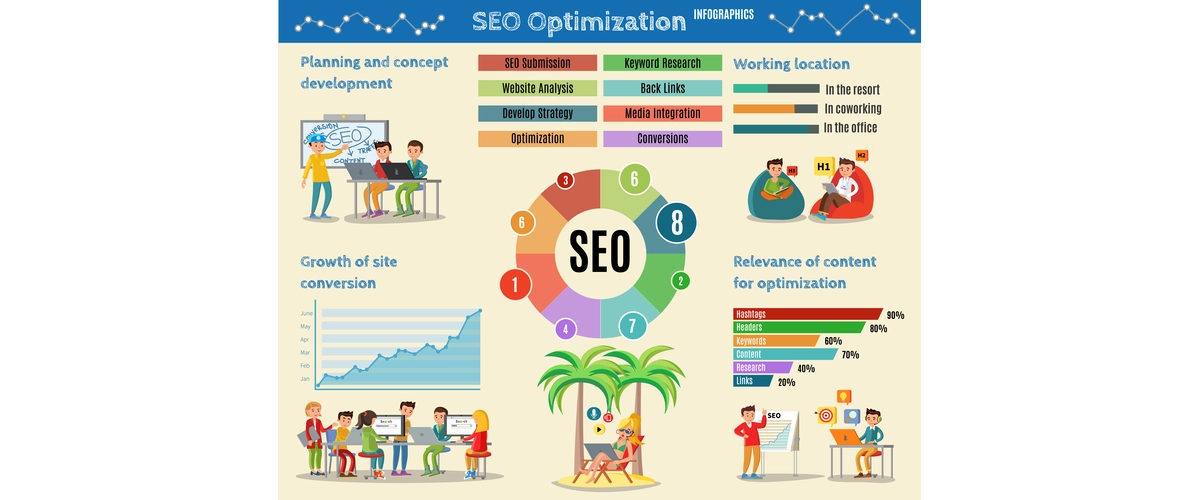
SEO outsourcing services typically include a combination of technical optimization, content development, website improvements, authority-building activities, local search optimization, and performance reporting. The exact scope depends on the business goals, website complexity, industry competition, and SEO strategy.
A professional SEO outsourcing partner usually works across multiple areas of search engine optimization to improve organic visibility, attract qualified traffic, and support business growth.
1. Technical SEO
Technical SEO focuses on improving the technical foundation of a website so search engines can efficiently crawl, understand, and index its pages. Without proper technical optimization, even high-quality content may struggle to achieve strong organic visibility.
Website Audits
SEO teams conduct comprehensive website audits to identify technical issues affecting search performance.
A technical SEO audit may evaluate:
- Website architecture
- Crawlability issues
- Indexing problems
- Broken links
- Duplicate content
- Mobile usability
- Page performance
- Security issues
The audit provides a roadmap for resolving issues that may prevent search engines from properly understanding the website.
Crawl Optimization
Search engines use crawlers to discover and analyze website content. Crawl optimization ensures that search engines can efficiently access important pages while avoiding unnecessary crawling of irrelevant sections.
Common crawl optimization activities include:
- Improving site structure
- Managing crawl directives
- Optimizing XML sitemaps
- Fixing crawl errors
- Improving internal navigation
Indexing Issue Resolution
Indexing determines whether search engines store and display website pages in search results.
SEO specialists analyze and resolve issues such as:
- Pages not appearing in search results
- Incorrect indexing settings
- Duplicate page indexing
- Poor canonical implementation
- Blocked important pages
Core Web Vitals Optimization
Core Web Vitals measure important aspects of website user experience, including loading performance, responsiveness, and visual stability.
SEO outsourcing teams may analyze:
- Page loading speed
- User interaction responsiveness
- Layout stability
- Mobile performance
Improving these technical factors helps create a better experience for both users and search engines.
2. On-Page SEO
On-page SEO focuses on optimizing individual website pages to improve relevance, usability, and search visibility.
Metadata Optimization
SEO teams optimize important page elements that help search engines and users understand content.
This includes:
- Title tags
- Meta descriptions
- Header structure
- Image attributes
- URL structure
Well-optimized metadata improves search result clarity and can increase organic click-through rates.
Internal Linking
Internal linking connects related pages within a website and helps distribute authority across important content.
SEO teams develop internal linking strategies to:
- Improve website navigation
- Help search engines discover pages
- Strengthen topic relationships
- Guide users toward relevant resources
Content Optimization
Existing website content is analyzed and improved to better match search intent.
Content optimization may include:
- Improving content structure
- Updating outdated information
- Adding relevant keywords naturally
- Enhancing readability
- Improving topical depth
The goal is to make content more useful for users while increasing its ability to compete in search results.
3. Content SEO
Content SEO focuses on creating and improving content that attracts relevant search traffic and answers user needs.
Topic Research
SEO teams identify content opportunities by analyzing:
- Customer questions
- Search intent
- Keyword opportunities
- Competitor content gaps
- Industry trends
Effective topic research helps businesses create content around subjects their target audience is actively searching for.
SEO Content Creation
SEO outsourcing often includes creating search-focused content such as:
- Blog articles
- Service pages
- Landing pages
- Comparison guides
- Educational resources
Quality SEO content should demonstrate expertise, answer user questions, and support the customer journey.
Content Refresh
Existing content can lose visibility when information becomes outdated or competitors publish stronger resources.
Content refresh activities may include:
- Updating outdated information
- Expanding thin content
- Improving keyword targeting
- Adding new examples
- Updating internal links
Regular content updates help maintain relevance and improve long-term organic performance.
4. Off-Page SEO
Off-page SEO focuses on improving website authority and reputation through activities outside the website.
Digital PR
Digital PR helps businesses increase online visibility through valuable content, industry relationships, and media opportunities.
Activities may include:
- Creating newsworthy content
- Building brand mentions
- Industry outreach
- Thought leadership campaigns
Link Acquisition
Quality backlinks from relevant websites can support authority and trust signals.
Professional SEO teams focus on earning relevant links through:
- Content promotion
- Industry partnerships
- Digital outreach
- Resource-based link opportunities
The emphasis should be on relevance and quality rather than simply increasing link numbers.
Authority Building
Authority building involves strengthening a website’s reputation within its industry.
This may include:
- Publishing expert content
- Building brand credibility
- Increasing industry visibility
- Developing topical authority
5. Local SEO
Local SEO helps businesses improve visibility for location-based searches and attract customers in specific geographic areas.
Google Business Profile Optimization
SEO teams optimize Google Business Profile listings to improve local search presence.
Activities may include:
- Business information accuracy
- Category optimization
- Service updates
- Review strategy guidance
- Local content improvements
Local Citations
Local citations are online mentions of a business’s name, address, and contact information.
SEO outsourcing teams may manage:
- Business directory listings
- Location-based platforms
- Citation consistency
- Local authority signals
6. SEO Reporting
Professional SEO outsourcing includes transparent reporting to measure progress and guide future decisions.
Rankings
SEO reports track keyword visibility and ranking improvements across target search queries.
Organic Traffic
Teams monitor organic traffic trends to understand:
- Visitor growth
- Traffic quality
- Landing page performance
- Search visibility changes
Conversions
SEO performance should ultimately connect with business outcomes.
Conversion tracking may include:
- Leads generated
- Form submissions
- Sales inquiries
- Revenue-related actions
Effective SEO reporting focuses beyond rankings and measures whether organic traffic contributes to business growth.
Outsourcing SEO vs Hiring an In-House SEO Team
Businesses often evaluate whether they should outsource SEO services or build an internal SEO team. The right choice depends on budget, expertise requirements, growth goals, and available resources.
Outsourcing provides access to specialized SEO professionals and established processes, while an in-house team offers direct control and deeper internal involvement.
The following comparison highlights the key differences:
Factor | Outsourcing SEO | In-House SEO |
Expertise access | Provides access to SEO specialists across technical SEO, content, analytics, and authority building without hiring multiple employees. | Expertise depends on the skills of internal hires and may require building a complete SEO team over time. |
Cost | Usually reduces costs related to salaries, benefits, training, and multiple SEO tool subscriptions. | Requires investment in hiring, employee benefits, training, and SEO technology. |
Scalability | Easier to scale resources for new projects, content expansion, international SEO, or enterprise campaigns. | Scaling requires additional hiring, onboarding, and team management. |
Management effort | Requires managing the partnership, communication, goals, and performance reviews. | Requires managing employees, workflows, training, and internal processes. |
Tools required | SEO providers typically have access to professional SEO platforms and workflows. | The company must purchase and manage SEO tools internally. |
Speed of execution | External teams can often start quickly with existing expertise and processes. | Building an effective SEO function may take longer due to hiring and team development. |
Which Approach Should Businesses Choose?
There is no universal answer between outsourcing SEO and hiring an in-house team. The best option depends on business requirements.
SEO outsourcing may be suitable for:
- Small and medium-sized businesses without SEO expertise
- Companies needing immediate access to specialists
- Businesses scaling content or entering new markets
- Teams that want strategic SEO support
An in-house SEO team may be suitable for:
- Large organizations with ongoing SEO requirements
- Companies needing complete internal control
- Businesses with enough resources to maintain specialized roles
Many organizations also choose a hybrid approach, where internal marketing teams work with external SEO specialists to combine business knowledge with specialized search expertise.
What Are the Benefits of Outsourcing SEO Services?

Outsourcing SEO services allows businesses to access specialized search engine optimization expertise, reduce internal workload, and scale organic growth efforts more efficiently. Instead of building a complete SEO department internally, companies can work with experienced SEO professionals who provide strategic planning, technical improvements, content support, and ongoing optimization.
The benefits of SEO outsourcing extend beyond improving rankings. A well-managed SEO partnership can help businesses build sustainable organic visibility, attract qualified visitors, and create a stronger foundation for long-term digital growth.
1. Faster Access to SEO Expertise
SEO requires knowledge across multiple disciplines, including technical optimization, content strategy, analytics, user behavior, and authority building. Hiring and developing all these skills internally can take significant time.
Outsourcing SEO provides immediate access to professionals who already understand:
- Search engine optimization best practices
- Technical SEO requirements
- Content strategy frameworks
- Keyword research methods
- Competitor analysis
- SEO performance measurement
Businesses can work with a team that combines different SEO skill sets instead of depending on a single internal resource.
2. Lower Operational Costs
Building an in-house SEO department involves expenses beyond salaries. Companies must invest in recruitment, employee benefits, training, SEO software, and ongoing professional development.
SEO outsourcing can help reduce operational costs by providing access to:
- Experienced SEO specialists
- Existing SEO processes
- Professional SEO tools
- Established workflows
- Reporting systems
For many businesses, outsourcing provides access to broader expertise without the financial commitment of maintaining multiple specialized roles internally.
3. Better Access to SEO Tools and Technology
Professional SEO requires specialized tools for research, analysis, tracking, and reporting. These platforms help SEO teams understand website performance, competitor strategies, keyword opportunities, and technical issues.
Outsourced SEO providers often have access to tools for:
- Keyword research
- Competitor analysis
- Website auditing
- Backlink monitoring
- Rank tracking
- SEO reporting
This allows businesses to benefit from professional SEO workflows without managing multiple technology subscriptions internally.
4. Flexible Scaling
SEO requirements change as businesses grow. A company launching a new website, entering a new market, or expanding its content strategy may require additional SEO resources quickly.
SEO outsourcing provides flexibility to scale activities based on business needs.
Examples include:
New Website Growth
A new website may require:
- SEO planning
- Technical optimization
- Content development
- Keyword targeting
- Website structure improvements
International SEO Expansion
Businesses entering new countries may need support with:
- Regional keyword research
- Local search behavior analysis
- Multilingual SEO considerations
- Market-specific content strategies
Enterprise SEO Campaigns
Large organizations may require support for:
- Thousands of website pages
- Complex technical environments
- Multiple business units
- Large-scale content optimization
Outsourced SEO teams can adjust resources based on campaign requirements without businesses needing to continuously hire additional employees.
3. Improved Search Visibility
The primary goal of SEO outsourcing is to improve a website’s ability to appear for relevant searches and attract qualified organic traffic.
A professional SEO team improves visibility through:
- Technical website improvements
- Search intent-focused content
- Keyword optimization
- Internal linking strategies
- Authority-building activities
- Continuous performance analysis
Improved search visibility can help businesses reach potential customers at different stages of the buying journey.
4. Focus on Business Growth
SEO requires continuous research, implementation, monitoring, and optimization. Managing all these activities internally can reduce the time teams spend on their primary business responsibilities.
By outsourcing SEO, internal teams can focus on:
- Product development
- Customer experience
- Sales activities
- Business strategy
- Revenue growth
A successful SEO outsourcing relationship allows businesses to maintain strategic control while external specialists handle the technical and operational aspects of organic growth.
How Much Do Outsourced SEO Services Cost?
The cost of outsourced SEO services varies depending on the business goals, website complexity, competition level, required activities, and scope of work. There is no universal SEO outsourcing price because every website has different challenges, opportunities, and growth requirements.
Businesses should evaluate SEO costs based on the value of the strategy, expertise involved, reporting quality, and expected business outcomes rather than choosing a provider only based on price.
Factors Affecting SEO Outsourcing Cost
Website Size
The size and complexity of a website directly influence SEO requirements.
A small business website may require optimization of a limited number of pages, while larger websites may need:
- Technical SEO audits
- Thousands of page evaluations
- Content optimization at scale
- Complex internal linking strategies
- Ongoing monitoring
Larger websites generally require more resources and a more structured SEO approach.
Competition Level
SEO costs often depend on how competitive the target search environment is.
Industries with high competition may require more investment in:
- Advanced keyword research
- Stronger content strategies
- Technical improvements
- Authority-building campaigns
- Continuous optimization
A business targeting competitive keywords typically requires a more comprehensive SEO strategy than a business operating in a less competitive market.
Industry
Different industries have different SEO challenges, audiences, and levels of competition.
For example:
- A local service business may focus heavily on local SEO.
- A SaaS company may require content-led SEO and technical expertise.
- An enterprise company may need large-scale SEO management.
The industry affects the type of SEO work required and the resources needed.
Target Country and Market
SEO requirements vary depending on geographic targeting.
A business targeting a single local market may need:
- Local SEO optimization
- Google Business Profile management
- Local citations
A business targeting multiple countries may require:
- International SEO strategy
- Regional keyword research
- Market-specific content
- Multiple language considerations
SEO Goals
The cost of SEO outsourcing depends on what the business wants to achieve.
Common SEO goals include:
- Increasing organic traffic
- Improving rankings
- Generating qualified leads
- Building brand visibility
- Supporting product launches
- Expanding into new markets
Different goals require different strategies and levels of effort.
Content Requirements
Content is a major part of SEO success. The amount and complexity of content required can influence outsourcing costs.
Factors include:
- Number of articles or pages needed
- Research depth
- Industry expertise requirements
- Content format
- Content updates
Businesses operating in technical or specialized industries may require more detailed, expert-reviewed content.
Required Services
SEO outsourcing costs also depend on which services are included.
A complete SEO engagement may include:
- Technical SEO
- Content strategy
- Content creation
- On-page optimization
- Link acquisition
- Local SEO
- Reporting and analytics
Businesses requiring only specific SEO support may have different requirements compared with companies outsourcing their complete SEO function.
How to Choose the Right SEO Outsourcing Partner

Choosing the right SEO outsourcing partner is critical because SEO directly affects long-term organic visibility and online growth. A reliable SEO provider should have a clear process, transparent communication, technical expertise, and realistic expectations.
The following checklist can help businesses evaluate potential SEO partners.
Check Their SEO Process
A professional SEO provider should be able to explain how they approach SEO from research to execution.
Evaluate whether their process includes:
- Website audits
- Search intent analysis
- Keyword research
- Technical SEO improvements
- Content strategy
- Performance tracking
- Continuous optimization
Avoid providers who cannot clearly explain what activities they will perform and why those activities matter.
Review Their Experience
Experience should be evaluated based on relevance, not only years in business.
Consider:
- Experience with similar industries
- Understanding of your target audience
- Technical SEO capabilities
- Experience with websites of similar complexity
- Knowledge of your business goals
A provider with relevant experience is more likely to understand industry-specific challenges.
Understand Reporting Methods
Transparent reporting helps businesses understand whether SEO activities are contributing to meaningful progress.
A quality SEO partner should provide reporting around:
- Organic traffic trends
- Keyword visibility
- Search performance
- Content performance
- Conversion-related metrics
Reports should explain insights and next steps, not only provide numbers.
Evaluate Communication
SEO requires collaboration between the business and the SEO team.
Evaluate:
- Communication frequency
- Reporting discussions
- Strategy reviews
- Response times
- Availability of key team members
A strong partnership requires clear communication and alignment on goals.
Avoid Ranking Guarantees
No SEO provider can guarantee specific rankings because search engine results depend on many factors outside a company’s direct control.
Be cautious of providers promising:
- Guaranteed first-page rankings
- Instant traffic growth
- Immediate results
- Fixed ranking positions
A credible SEO partner should focus on strategy, measurable improvements, and sustainable growth.
Check Technical SEO Knowledge
Technical expertise is essential because SEO performance depends on website structure, accessibility, and search engine understanding.
Evaluate whether the provider understands:
- Crawling and indexing
- Website architecture
- Core Web Vitals
- Structured data
- JavaScript SEO
- Technical audits
Strong technical SEO knowledge helps prevent issues that can limit organic growth.
Common Mistakes Businesses Make When Outsourcing SEO
SEO outsourcing can help businesses improve organic visibility and scale search growth, but the results depend heavily on choosing the right partner, setting realistic expectations, and maintaining strategic alignment. Many SEO outsourcing failures happen because businesses focus on short-term outcomes instead of building a sustainable search strategy.
Understanding common mistakes can help companies make better decisions when selecting and managing an SEO outsourcing partnership.
Choosing Only Based on Price
One of the most common mistakes businesses make is selecting an SEO provider only because they offer the lowest price.
Low-cost SEO services may reduce investment initially, but they can often involve:
- Limited strategy development
- Automated or low-quality content
- Poor reporting
- Weak technical analysis
- Low-quality link-building practices
SEO requires expertise, research, tools, and continuous optimization. Businesses should evaluate providers based on their process, experience, transparency, and ability to support business goals rather than choosing only the cheapest option.
Expecting Instant Rankings
SEO is a long-term growth process, not an immediate advertising channel. Some businesses expect significant ranking improvements within a few weeks and become disappointed when results require more time.
Search visibility depends on multiple factors, including:
- Website authority
- Competition level
- Content quality
- Technical website condition
- Search engine evaluation
- Existing organic presence
A professional SEO partner should set realistic expectations and focus on measurable progress, such as improved visibility, better content performance, qualified traffic growth, and conversions.
Lack of Clear Goals
SEO campaigns are more effective when businesses define clear objectives before outsourcing.
Without clear goals, SEO activities can become disconnected from business outcomes.
Businesses should establish:
- Target audience
- Primary markets
- Conversion goals
- Important search topics
- Key performance indicators (KPIs)
For example, a company may focus on increasing qualified leads rather than simply increasing website traffic. Clear goals help SEO teams create strategies aligned with actual business priorities.
Poor Communication
SEO requires collaboration between the business and the external SEO team. Poor communication can lead to misunderstandings, delays, and strategies that do not match business expectations.
Common communication problems include:
- Unclear responsibilities
- Lack of regular updates
- Limited strategy discussions
- Missing business context
A strong SEO outsourcing relationship includes regular reporting, clear workflows, and opportunities for both teams to share insights.
Ignoring Technical SEO
Some businesses focus only on keywords and content while ignoring technical website issues that can affect search performance.
Technical SEO problems may include:
- Poor website structure
- Indexing problems
- Slow page performance
- Crawl issues
- Mobile usability problems
A website needs a strong technical foundation before content and authority-building efforts can perform effectively.
Buying Low-Quality Links
Link building remains an important part of SEO, but purchasing large quantities of low-quality links can create risks.
Low-quality link practices may include:
- Irrelevant backlinks
- Automated link networks
- Spam directories
- Manipulative tactics
A reliable SEO partner focuses on earning relevant authority through valuable content, digital PR, industry relationships, and genuine website recognition.
How Long Does SEO Outsourcing Take to Show Results?

SEO outsourcing does not produce identical results for every business. The timeline depends on factors such as website condition, competition, industry, content quality, technical improvements, and the effectiveness of the SEO strategy.
Unlike paid advertising, where visibility can begin immediately after spending begins, SEO builds organic visibility over time through continuous improvements.
Understanding SEO Timelines
SEO progress usually happens in stages.
Initial Stage: Research and Foundation
During the early phase, SEO teams typically focus on:
- Website audits
- Keyword research
- Technical analysis
- Content planning
- Strategy development
This stage creates the foundation for future improvements.
Growth Stage: Optimization and Content Development
After implementing improvements, businesses may begin seeing changes in:
- Search impressions
- Keyword visibility
- Content performance
- Organic traffic patterns
The speed of progress depends on the competitiveness of the market and the quality of execution.
Long-Term Stage: Authority and Sustainable Growth
Long-term SEO growth comes from continuous:
- Content improvement
- Technical optimization
- Authority building
- User experience improvements
- Search performance analysis
Consistent SEO efforts help businesses build stronger organic visibility over time.
Factors That Affect SEO Results Timeline
Several factors influence how quickly outsourced SEO services show measurable impact.
Website Condition
A technically healthy website may require fewer foundational improvements compared with a website facing major technical issues.
Competition Level
Highly competitive industries often require more time and resources because many businesses are targeting similar search terms.
Content Quality
Useful, accurate, and well-structured content can improve search performance more effectively than content created only for keywords.
Website Authority
Established websites with existing authority may see changes differently compared with newer websites building credibility from the beginning.
SEO Execution Quality
The strategy, expertise, and consistency of implementation significantly influence results.
Short-Term vs Long-Term SEO Indicators
Businesses should measure SEO progress using multiple indicators instead of focusing only on rankings.
Short-Term Indicators
Early SEO signals may include:
- Improved search impressions
- Better keyword visibility
- Increased page engagement
- Technical issue improvements
- Higher content indexing
Long-Term Indicators
Long-term SEO success is measured through:
- Organic traffic growth
- Qualified website visitors
- Lead generation
- Conversion improvements
- Revenue contribution
Key Metrics to Measure SEO Outsourcing Success
Organic Visibility
Organic visibility shows how frequently a website appears in search results for relevant queries.
This includes:
- Search impressions
- Keyword coverage
- Search presence across topics
Rankings
Keyword rankings indicate how well website pages perform for target search queries.
However, rankings should be evaluated alongside traffic quality and business outcomes.
Qualified Traffic
SEO success is not only about attracting more visitors. The quality of visitors matters.
Qualified organic traffic includes users who:
- Match the target audience
- Engage with content
- Explore products or services
- Have potential buying intent
Leads
For many businesses, SEO success is measured by generating meaningful business opportunities.
Examples:
- Contact inquiries
- Demo requests
- Consultation requests
- Sign-ups
Revenue Impact
The ultimate goal of SEO is supporting business growth.
Businesses should evaluate whether organic search contributes to:
- Customer acquisition
- Sales opportunities
- Revenue growth
Is Outsourcing SEO Worth It for Small Businesses?
Outsourcing SEO can be valuable for small businesses that want to improve online visibility but do not have the internal resources, expertise, or time to manage SEO effectively.
Small businesses often compete with larger companies that have dedicated marketing teams and significant SEO resources. Working with an external SEO partner can help smaller businesses access specialized expertise without building a complete internal department.
Limited Internal Resources
Many small businesses operate with limited marketing teams where employees handle multiple responsibilities.
Managing SEO requires ongoing work across:
- Keyword research
- Content planning
- Technical optimization
- Performance analysis
- Website improvements
Outsourcing allows small businesses to access SEO specialists while allowing internal teams to focus on daily operations and customer growth.
Budget Considerations
For small businesses, hiring multiple SEO professionals internally may not be practical.
An internal SEO team may require investment in:
- Salaries
- Benefits
- SEO tools
- Training
- Management resources
SEO outsourcing provides a flexible option where businesses can access professional expertise based on their requirements.
However, businesses should evaluate providers based on value, transparency, and long-term potential rather than selecting only the lowest-cost option.
When Does SEO Outsourcing Make Sense for Small Businesses?
SEO outsourcing may be a good option when a business:
- Does not have SEO expertise internally
- Wants to increase organic traffic
- Needs support creating SEO content
- Wants to compete in search results
- Needs technical website improvements
- Wants a structured SEO strategy
It can be especially useful for businesses that understand the value of organic growth but do not have the resources to manage SEO independently.
Hybrid SEO Approach for Small Businesses
Some businesses choose a hybrid approach by combining internal knowledge with external SEO expertise.
In this model:
Internal teams handle:
- Business insights
- Customer knowledge
- Brand direction
- Product information
External SEO specialists handle:
- Technical SEO
- Keyword research
- Content strategy
- SEO analysis
- Optimization processes
A hybrid model can provide the benefits of outsourcing while maintaining strong internal involvement and business alignment.
For many small businesses, SEO outsourcing is worth considering when the goal is to build long-term organic visibility without the complexity of creating a full SEO department internally.
Enterprise SEO Outsourcing: What Large Companies Should Consider
Enterprise SEO outsourcing involves working with external SEO specialists to manage complex search optimization requirements across large websites, multiple business units, or international markets. Unlike smaller SEO campaigns, enterprise SEO requires advanced processes, technical expertise, governance frameworks, and collaboration between multiple stakeholders.
Large organizations often outsource SEO to gain specialized expertise, improve execution speed, and manage the complexity of optimizing websites with thousands or even millions of pages.
Multiple Websites and Large-Scale SEO Management
Enterprise organizations often operate multiple websites, subdomains, regional websites, or product-specific platforms. Managing SEO consistently across these properties requires structured processes and technical coordination.
Enterprise SEO outsourcing may involve:
- Website architecture optimization
- Cross-domain SEO strategy
- Content governance
- Duplicate content management
- Internal linking frameworks
- Large-scale technical audits
- SEO standards across business units
An experienced enterprise SEO partner helps maintain consistency while adapting strategies for different audiences, products, and markets.
International SEO Requirements
Companies operating across multiple countries face additional SEO challenges beyond traditional optimization.
International SEO outsourcing may require expertise in:
- Country-specific keyword research
- Multilingual content optimization
- Regional search behavior
- International URL structures
- Language targeting
- Local search requirements
A global SEO strategy must consider differences in language, culture, customer behavior, and search preferences across markets.
SEO Governance and Collaboration
Enterprise SEO involves multiple teams, including marketing, development, content, product, and leadership teams. Without proper governance, SEO improvements can become inconsistent or difficult to manage.
SEO governance helps establish:
- Standard SEO processes
- Approval workflows
- Technical implementation guidelines
- Content quality standards
- Communication responsibilities
- Performance measurement frameworks
An outsourced SEO partner can support governance by creating repeatable processes that align different teams toward shared organic growth goals.
Security and Compliance Considerations
Large organizations often operate websites containing sensitive business information, customer data, or complex technology environments. SEO outsourcing partners must understand security requirements and follow appropriate access practices.
Important considerations include:
- Controlled access permissions
- Secure data handling
- Website change approval processes
- Collaboration with internal IT teams
- Compliance requirements
Enterprise SEO should improve search performance without creating unnecessary security risks.
Advanced Reporting Requirements
Enterprise companies require deeper reporting compared with basic ranking updates.
Enterprise SEO reporting may include:
- Organic traffic performance
- Revenue contribution
- Lead generation impact
- Market visibility
- Content performance
- Technical SEO progress
- International performance comparisons
Reports should help decision-makers understand not only what changed but also why it changed and what actions should be taken next.
A strong enterprise SEO outsourcing partnership combines technical expertise, strategic planning, governance, and measurable reporting to support long-term organic growth at scale.
Frequently Asked Questions About SEO Outsourcing
What are outsourced SEO services?
Outsourced SEO services involve hiring an external SEO agency, consultant, or specialist team to manage search engine optimization activities. These services may include technical SEO, keyword research, content optimization, link building, reporting, and strategy development to improve organic visibility and search performance.
How does SEO outsourcing work?
SEO outsourcing typically begins with a website audit, keyword research, competitor analysis, and strategy development. The SEO team then implements technical improvements, optimizes content, builds authority, monitors performance, and continuously adjusts the strategy based on search data and business goals.
Why should companies outsource SEO?
Companies outsource SEO to access specialized expertise, reduce the cost of building an internal SEO team, scale optimization efforts faster, and improve organic visibility. Outsourcing allows businesses to work with professionals who understand technical SEO, content strategy, analytics, and search engine optimization processes.
What is included in SEO outsourcing services?
SEO outsourcing services may include technical SEO audits, keyword research, on-page optimization, content strategy, SEO content creation, internal linking, authority building, local SEO, performance tracking, and reporting. The exact services depend on business goals, website complexity, and the SEO strategy required.
How much do SEO outsourcing services cost?
The cost of SEO outsourcing depends on factors such as website size, industry competition, target market, SEO goals, required services, and content requirements. Businesses should evaluate SEO providers based on expertise, transparency, strategy quality, and expected business outcomes rather than selecting only based on price.
Is outsourcing SEO better than hiring in-house?
Neither approach is always better. SEO outsourcing provides access to specialized expertise and flexible resources, while an in-house team offers direct control and internal knowledge. The right choice depends on business size, available resources, SEO complexity, budget, and long-term growth objectives.
How do I select an SEO outsourcing company?
Choose an SEO outsourcing company by reviewing its process, experience, technical SEO knowledge, reporting methods, communication approach, and verified case studies. Avoid providers that promise guaranteed rankings and prioritize companies that explain strategies clearly and align SEO activities with business goals.
What risks come with outsourcing SEO?
Common SEO outsourcing risks include choosing providers based only on price, unclear communication, unrealistic ranking promises, poor-quality content, and low-quality link-building practices. Businesses can reduce risks by selecting transparent SEO partners with proven processes and ethical optimization methods.
How long does outsourced SEO take?
SEO results vary depending on website condition, competition, industry, content quality, authority, and implementation speed. Early improvements may appear through better visibility and technical performance, while sustainable traffic, leads, and revenue impact usually require consistent long-term optimization.
Can outsourced SEO increase organic traffic?
Outsourced SEO can improve organic traffic by optimizing website structure, creating relevant content, improving search visibility, and strengthening website authority. However, results depend on strategy quality, execution, competition, and whether the SEO efforts attract qualified visitors who align with business goals.

Tarun Singh is an SEO & Digital Growth Strategist with 5+ years of experience driving organic traffic, search visibility, and revenue growth for eCommerce, SaaS, and enterprise brands. His expertise includes technical SEO, AI-driven marketing, keyword strategy, content optimization, and scalable growth campaigns focused on improving rankings, authority, and business performance.